27 Best Cottagecore Garden Plants
Here are the best cottagecore garden plants and flowers for your country or cottage garden. The best cottagecore garden plants bring that natural, homey feel to any yard. Flowers like lavender, daisies, roses, and foxgloves are easy to grow and bring color through the seasons.
Many of these plants also help bees and butterflies, making your garden look alive and full of movement. Mixing flowers with herbs and green plants gives that soft, lived-in look that cottage gardens are known for. You don’t need to plan every corner, just let things grow together naturally for a cozy and inviting space.
I love my cottagecore garden because it feels calm and a little wild at the same time. The plants bloom in their own way, and the bees are always busy around the flowers. It’s a relaxing place to spend time, and it always looks different as the seasons change.
So, roll up your sleeves, dig into the earth. Let these delightful botanical treasures transform your garden or cottage style home into a picturesque sanctuary. These are the best cottagecore flowers to plant.
Best Cottagecore Plants And Flowers
1. Lavender
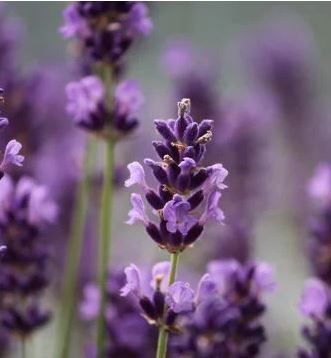
Lavender is one of the prettiest and best smelling plants you can grow in a cottagecore garden. It loves sunny spots and dry soil, so it’s easy to care for once it’s settled in. The purple blooms bring in bees and butterflies, which help the rest of your garden grow. I love how it adds a calm feeling and a soft scent every time the wind blows. If you are wanting to dry flowers inside books to use for your crafts, these are fantastic for that.
Lavender is also one of the top baby girl flower names for this year.
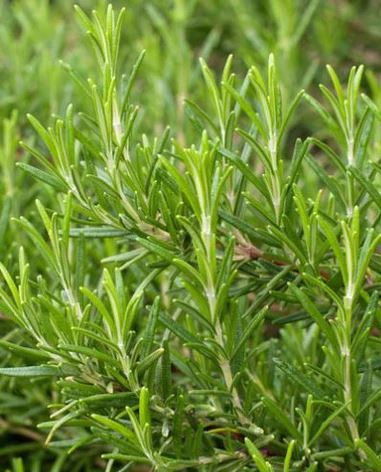
2. Rosemary
Rosemary is a hardy herb that fits perfectly in a cottagecore garden. It grows well in sunny spots and dry soil, just like lavender. The small blue flowers attract bees, and the leaves can be used in cooking or for homemade gifts. I love brushing my hand over the leaves when I walk by, it always smells so fresh.
3. Delphinium
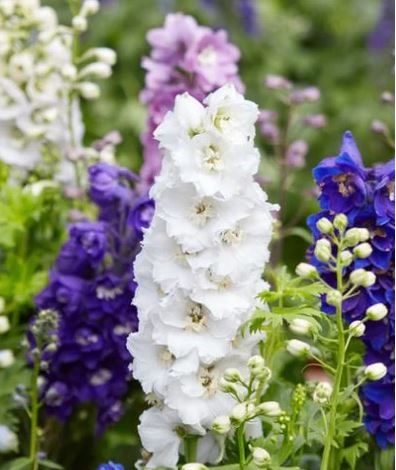
Delphinium grows tall with bright spikes of blue, purple, or white flowers, adding height and color to a cottagecore garden. It likes cool weather and rich, moist soil. The blooms attract bees and butterflies through the summer. It looks beautiful planted near fences or garden walls for extra support.
4. Foxglove
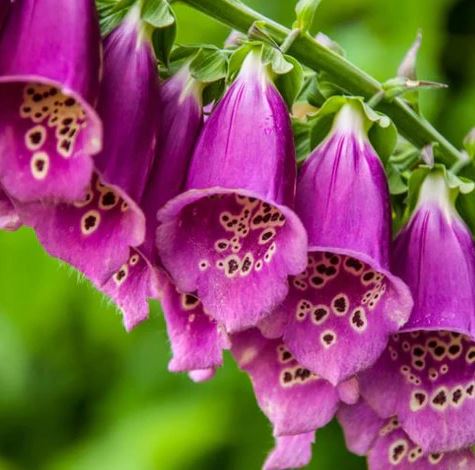
Foxglove produces tall spikes of bell-shaped flowers in shades of pink, purple, and white, bringing a fairytale look to a cottagecore garden. It prefers partial shade and well drained soil. The flowers attract bees and other pollinators. Foxglove reseeds itself easily, helping the garden fill with color year after year.
5. Sweet Pea
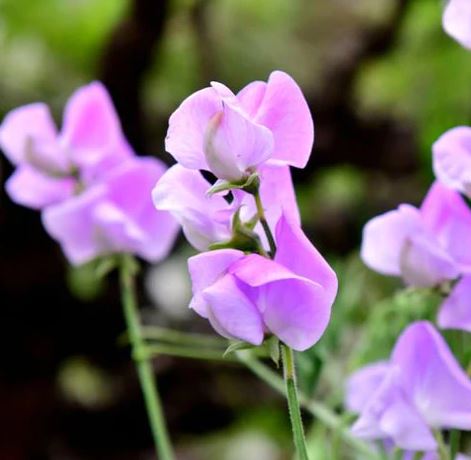
Sweet Pea grows quickly and produces clusters of fragrant flowers in pink, purple, red, and white, adding a soft, cottagecore charm. It prefers full sun and well drained soil. The flowers attract bees and butterflies, supporting the garden’s pollinators. Sweet Pea spreads easily, climbing fences, trellises, or other plants, creating a lush and colorful display.
6. Hollyhock
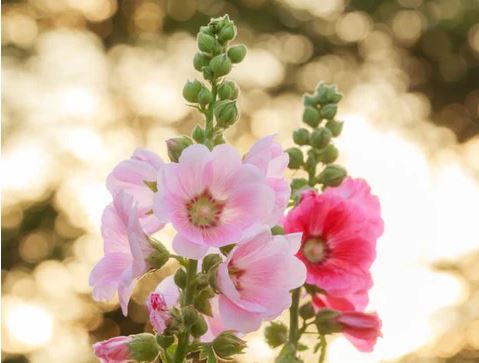
Hollyhock grows tall spikes of large, colorful flowers in shades of pink, red, yellow, and white, making a striking addition to a cottagecore garden. It prefers full sun and well-drained soil. The flowers attract bees, butterflies, and hummingbirds. Hollyhock reseeds itself easily, helping to fill the garden with blooms year after year.
7. Forget Me Not
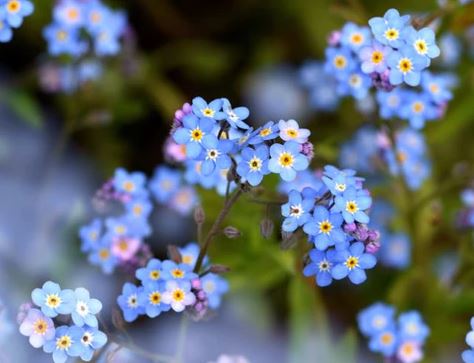
Forget Me Not’s have small, delicate blue flowers with yellow centers, adding a soft, charming touch to a cottagecore garden. It prefers partial shade and moist, well-drained soil. The flowers attract bees and other pollinators. Forget Me Not spreads easily, creating clusters of blooms that return each year. They can be enjoyed in the garden and also for foraging & wildcrafting.
8. Sunflower
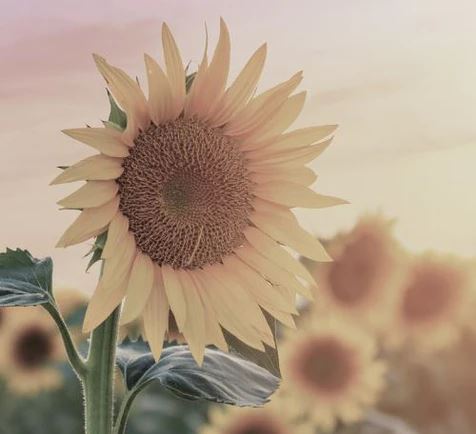
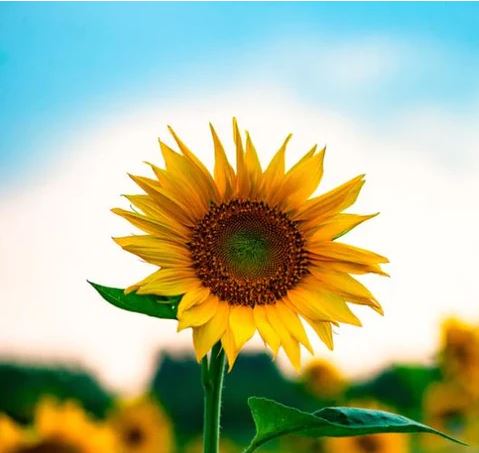
Sunflower grows tall stems topped with large, bright yellow flowers that add cheer to a cottagecore garden. I plant sunflowers every year and they pretty much grow in all kinds of soil. The flowers attract bees, butterflies, and birds. Sunflower seeds can be harvested or left for wildlife, and the plants often return the next year from self sown seeds.
9. Nasturtium
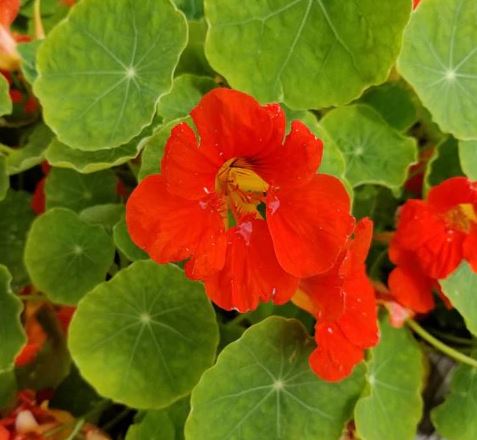
Nasturtium grows low, trailing vines with bright orange, red, or yellow flowers that add color and charm to a cottagecore garden. It prefers full sun to partial shade. The flowers and leaves attract bees and butterflies. Nasturtium spreads easily, filling garden beds or spilling over walls and containers.
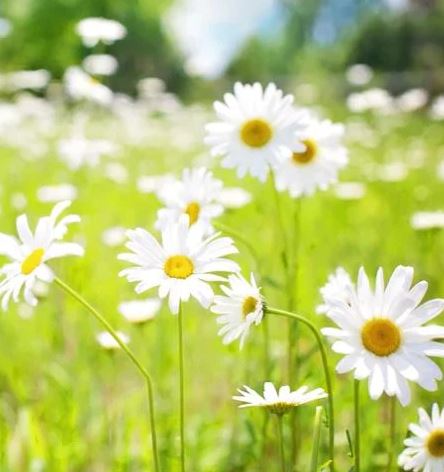
10. Daisies
Daisies have bright white petals with yellow centers that create a classic, charming look in a cottagecore garden. They bloom from late spring through summer. The flowers attract bees and butterflies, helping pollination. Daisies are hardy and can tolerate a range of conditions, making them easy to grow and maintain.
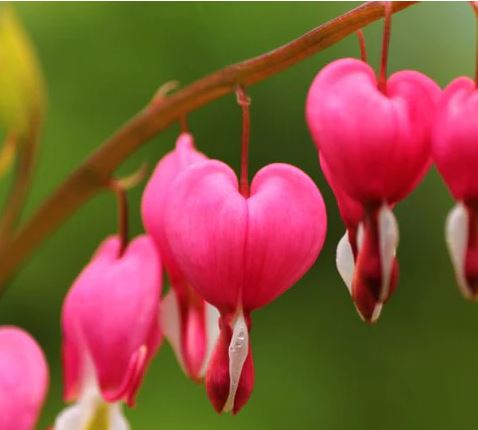
11. Bleeding Heart
Bleeding Heart has graceful, heart-shaped flowers that hang from arching stems, adding a delicate, romantic touch to a cottagecore garden. It likes partial to full shade and can handle cooler, moist conditions. The flowers attract bees and hummingbirds. Bleeding Heart dies back in late summer but returns each year from its roots.
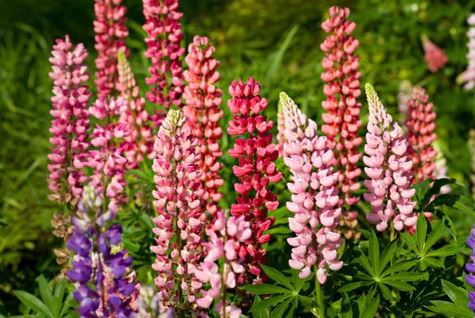
12. Lupine
Lupine has tall spikes of colorful flowers in shades of purple, pink, blue, and white, adding vertical interest to a cottagecore garden. It prefers full sun and can grow in poorer soils, as it helps add nitrogen back to the ground. The flowers attract bees and butterflies. Lupine can self-seed, spreading to create more blooms in future seasons.
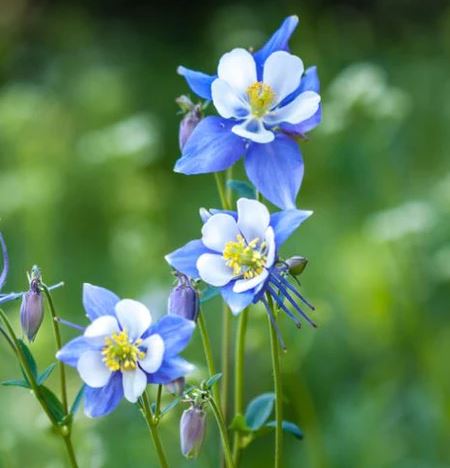
13. Columbine
Columbine has delicate, nodding flowers in shades of blue, purple, pink, red, and white, giving a whimsical feel to a cottagecore garden. It prefers partial shade and cooler spots. The flowers attract bees, butterflies, and hummingbirds. Columbine can reseed itself, creating new plants and adding color year after year.
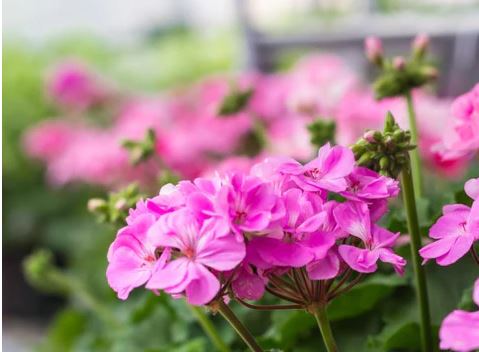
14. Geranium
Geranium has bright, round clusters of flowers in pink, red, purple, or white, adding long-lasting color to a cottagecore garden. It grows well in sunny spots and can tolerate some drought. The flowers attract bees and butterflies. Geranium spreads slowly and can fill in garden edges or containers over time.
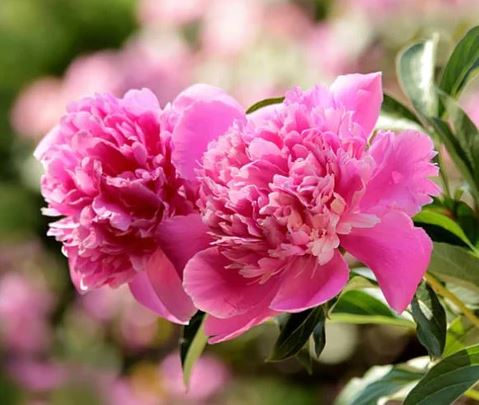
15. Peony
Peony has large, lush blooms in shades of pink, red, and white, adding a classic, romantic touch to a cottagecore garden. It prefers full sun and rich soil. The flowers attract bees and butterflies. Peonies don’t like being moved, and it can take a few years for them to recover and bloom fully after transplanting.
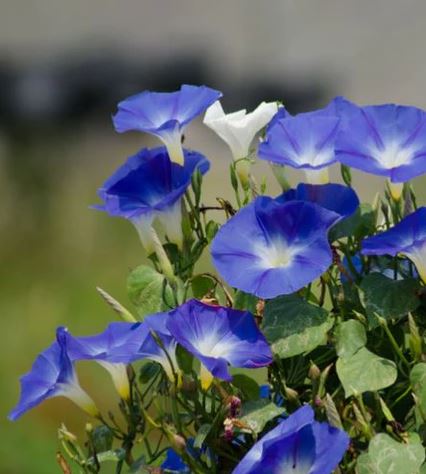
16. Morning Glory
Morning Glory has vibrant, trumpet-shaped flowers in shades of blue, purple, pink, and white that open in the morning and fade by afternoon. It grows quickly and climbs fences, trellises, or other structures, adding height and color. The flowers attract bees and hummingbirds. Morning Glory spreads easily from seeds, often returning year after year.
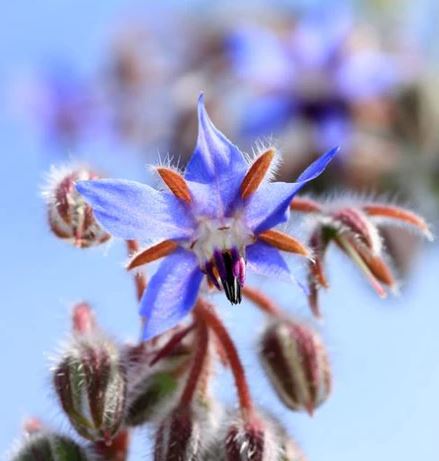
17. Borage cottagecore garden plants
Borage has bright blue, star-shaped flowers that add a wild, charming touch to a cottagecore garden. It grows quickly and can reach two to three feet tall. The flowers attract bees and other pollinators. Borage self-seeds easily, often coming back each year to fill the garden with color.
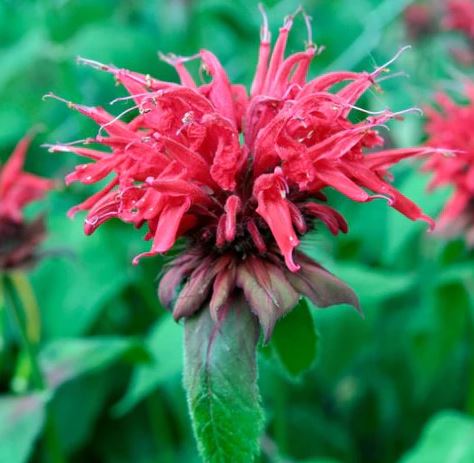
18. Bee Balm
Bee Balm has bright, tubular flowers in shades of red, pink, purple, and white, adding a bold splash of color to a cottagecore garden. It grows in clumps and can reach two to four feet tall. The flowers attract bees, butterflies, and hummingbirds. Bee Balm spreads over time, forming dense patches that bring more blooms each year.
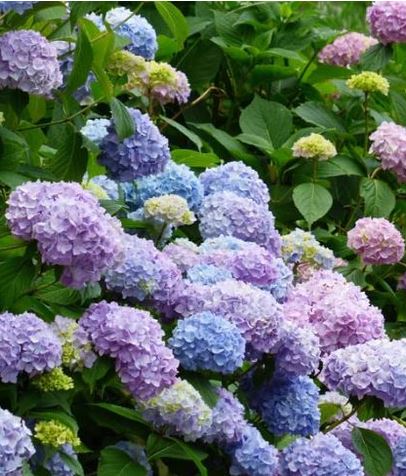
19. Hydrangea
Hydrangea has large clusters of flowers in shades of blue, pink, or white, bringing a soft and charming look to a cottagecore garden. It prefers partial sun and consistent moisture. The blooms attract bees and butterflies. Hydrangeas can grow quite large and take several years to reach their full size.
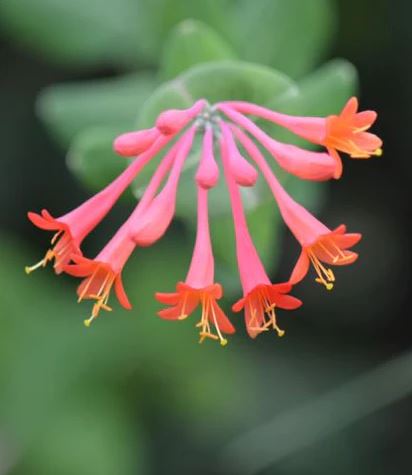
20. Honeysuckle
Honeysuckle has fragrant, tubular flowers in shades of white, yellow, pink, or red that attract bees, butterflies, and hummingbirds. It grows as a climbing vine, making it fantastic for trellises, fences, or walls. The flowers bloom from spring through summer, filling the garden with scent. Honeysuckle spreads quickly and can cover large areas if not managed.
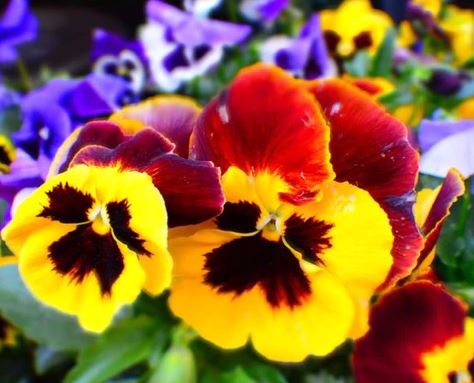
21. Pansies
Pansy has bright, “smiling” flowers in many colors, bringing cheerful charm to a cottagecore garden. It grows well in cool weather and partial sun. The flowers attract bees and other pollinators. Pansies are low growing and can fill garden beds or containers with color.
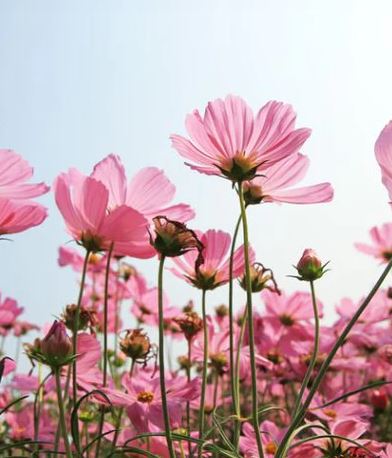
22. Cosmos
Cosmos has daisy like flowers in shades of pink, white, and red, adding a light, airy feel to a cottagecore garden. It grows tall and slender, with delicate, feathery foliage. The flowers attract bees, butterflies, and other pollinators. Cosmos spreads easily from seeds, creating colorful, natural-looking clusters year after year.
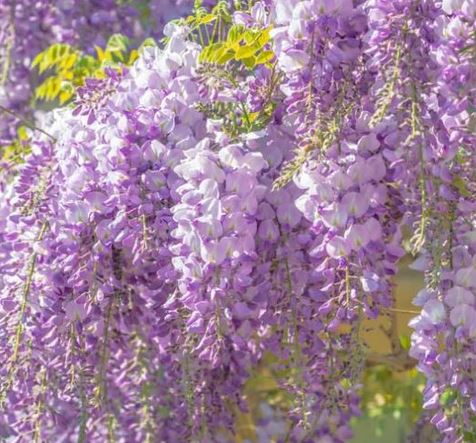
23. Wisteria
Wisteria has cascading clusters of purple, blue, or white flowers that create a dramatic, romantic look in a cottagecore garden. It grows as a climbing vine, ideal for trellises, pergolas, or walls. The flowers attract bees and hummingbirds. Wisteria can take a few years to bloom fully and needs strong support as it grows.
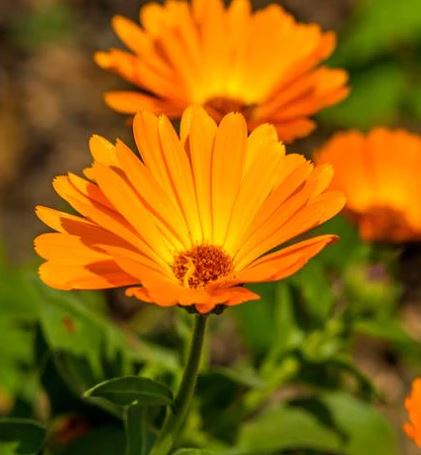
24. Calendula
Calendula has bright, cheerful flowers in shades of yellow and orange that bring a sunny touch to a cottagecore garden. It grows well in full sun and tolerates a variety of soils. The flowers attract bees and butterflies. Calendula spreads easily from seeds, often returning year after year.
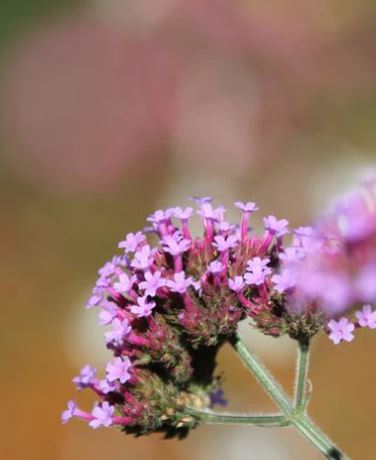
25. Verbena
Verbena has clusters of small, vibrant flowers in shades of purple, pink, red, and white, adding long lasting color to a cottagecore garden. It grows low and spreading, making it great for borders or ground cover. Verbena blooms from spring through fall and can reseed itself in the garden.
26. Snapdragon
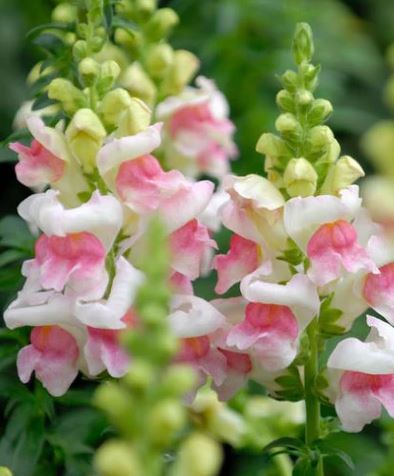
Snapdragon has unique, tubular flowers that come in shades of pink, red, yellow, white, and orange, creating a playful look in a cottagecore garden. The blooms can be “snapped” open, which is a fun feature for kids and gardeners alike. Snapdragons prefer sunny spots and regular watering. They can bloom in waves through the season, keeping the garden colorful for months.
27. Black Eyed Susan
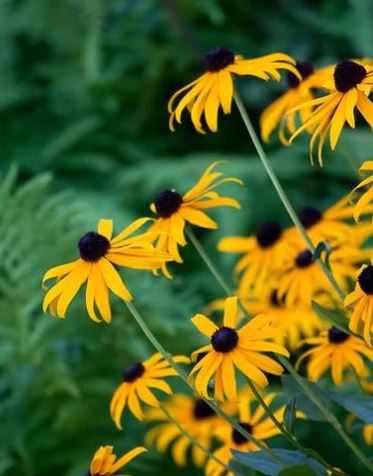
Black Eyed Susan has bright yellow petals surrounding a dark brown center, giving a bold, cheerful look to a cottagecore garden. It grows upright and can reach two to three feet tall. The flowers attract bees and butterflies. Black Eyed Susan blooms from summer into fall and can spread naturally in the garden.
I hope this list helped you out with your garden ideas! Cottagecore gardens are full of charm and simple beauty, it’s whimsical and fun. Share this article with a friend who loves gardening and leave your favorite cottagecore plants in the comments.
More garden articles